
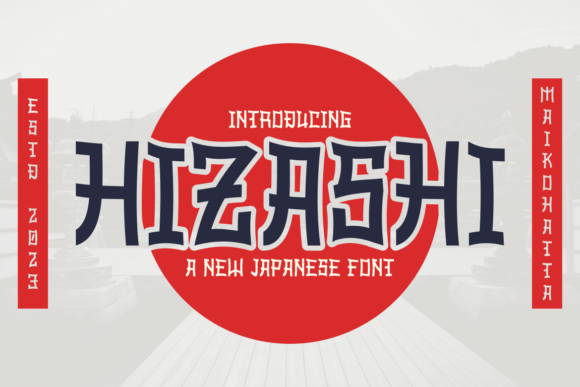
Hizashi Font: A Beautiful Blend of Aesthetics, Culture, and Versatility
Japanese fonts have gained immense popularity in recent years, not only in Japan but also globally. This surge in popularity can be attributed to their unique blend of beautiful aesthetics, rich cultural history, and versatility in various design contexts. One such font that has caught the attention of designers and typography enthusiasts is the Hizashi Font. In this article, we’ll explore the world of Japanese fonts, their characteristics, and the Hizashi Font in particular, highlighting its features, uses, and significance.
The Beauty of Japanese Fonts
Japanese fonts, also known as “moji” or “ji,” have a long and storied history dating back to the 5th century. Over the years, they have evolved to become an integral part of Japanese culture, reflecting the country’s rich heritage and aesthetics. Japanese fonts are known for their unique blend of simplicity, elegance, and expressiveness, making them a popular choice for various design applications.
📸 Preview Images


💡 Click on any image to view full size
One of the distinctive features of Japanese fonts is their logographic nature, where each character represents a word or a concept rather than a sound. This allows for a high degree of expressiveness and nuance, enabling designers to convey complex ideas and emotions through a combination of characters.
Cultural Significance of Japanese Fonts
Japanese fonts have played a significant role in shaping the country’s culture and identity. From ancient manuscripts to modern-day signage, Japanese fonts have been used in various contexts to convey cultural values, traditions, and aesthetics. The use of Japanese fonts in traditional art forms, such as calligraphy and woodblock printing, has also contributed to their cultural significance.
In modern times, Japanese fonts have become an integral part of Japan’s digital culture, with many designers using them in digital media, such as websites, social media, and video games. The versatility of Japanese fonts has enabled them to transcend cultural boundaries, making them a popular choice for designers worldwide.
Introduction to Hizashi Font
The Hizashi Font is a modern Japanese font designed to blend traditional aesthetics with contemporary design principles. The font is characterized by its elegant and flowing lines, making it suitable for a wide range of design applications, from print to digital media.
The Hizashi Font is designed to be highly legible, even at small font sizes, making it ideal for use in body text, headings, and titles. Its unique design features, such as the use of varying line widths and elegant curves, give it a distinctive look that sets it apart from other Japanese fonts.
Features of Hizashi Font
The Hizashi Font boasts several features that make it an attractive choice for designers:
- Elegant and flowing lines: The font’s elegant lines and curves give it a sophisticated and refined look.
- High legibility: The font is designed to be highly legible, even at small font sizes.
- Versatility: The Hizashi Font can be used in a wide range of design applications, from print to digital media.
- Cultural significance: The font’s design is inspired by traditional Japanese aesthetics, making it a great choice for designers looking to incorporate cultural elements into their work.
Uses of Hizashi Font
The Hizashi Font can be used in various design contexts, including:
- Print media: The font is suitable for use in books, magazines, newspapers, and other print materials.
- Digital media: The font can be used in websites, social media, video games, and other digital applications.
- Advertising and branding: The font’s elegant and sophisticated design makes it a great choice for use in advertising and branding materials.
- Packaging and labeling: The font can be used in packaging and labeling applications, such as product labels and instruction manuals.
Benefits of Using Hizashi Font
The Hizashi Font offers several benefits to designers, including:
- Unique and captivating design: The font’s elegant and flowing lines give it a distinctive look that can help designers create unique and captivating designs.
- Cultural significance: The font’s design is inspired by traditional Japanese aesthetics, making it a great choice for designers looking to incorporate cultural elements into their work.
- Versatility: The font can be used in a wide range of design applications, from print to digital media.
- High legibility: The font is designed to be highly legible, even at small font sizes.
Hizashi Font: Access Download Now
| Font Name | Hizashi Font |
| Author | Unknown |
| Download | Access Download Here |
Conclusion
In conclusion, the Hizashi Font is a beautiful blend of aesthetics, culture, and versatility. Its elegant and flowing lines, high legibility, and cultural significance make it a great choice for designers looking to create unique and captivating designs. Whether used in print or digital media, the Hizashi Font is sure to leave a lasting impression.
Japanese fonts, in general, have become an integral part of modern design, reflecting the country’s rich cultural heritage and aesthetics. The Hizashi Font is just one example of the many beautiful and versatile fonts available to designers today.
Future of Japanese Fonts
As design trends continue to evolve, it’s likely that Japanese fonts will remain a popular choice for designers. With the increasing globalization of design, Japanese fonts are poised to become even more prominent in the world of typography.
In the future, we can expect to see even more innovative and creative uses of Japanese fonts, as designers continue to push the boundaries of typography and design. The Hizashi Font and other Japanese fonts will undoubtedly play a significant role in shaping the visual landscape of the future.
