
Minangkabau Font: A Unique Typeface Inspired by Traditional Architecture
The Minangkabau font is a distinctive typeface that draws inspiration from the traditional architecture of the Minangkabau people, an ethnic group native to Indonesia. Specifically, the font is based on the design of the roof of the Gadang house, a traditional Minangkabau house known for its curved and pointed roof. In this article, we will explore the unique features of the Minangkabau font and its connection to the traditional architecture that inspired it.
The Inspiration Behind the Minangkabau Font
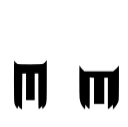
The Minangkabau typeface is inspired by the roof of the Gadang house, which is curved and pointed upwards. This unique design element is reflected in the shape of the typeface, which features a curved and pointed upper section. The inside of the middle of several box-shaped typefaces is inspired by the box window of the Gadang house, adding another layer of depth and cultural significance to the font.
📸 Preview Images


💡 Click on any image to view full size

The Design Elements of the Minangkabau Font
The Minangkabau font features a range of unique design elements that reflect its inspiration from traditional Minangkabau architecture. The lower part of each typeface is designed to resemble the roof of the Gadang house, with a curved and pointed shape that intersects with the bottom of the typeface. This creates a distinctive and eye-catching visual effect that sets the Minangkabau font apart from other typefaces.
The font also features a range of box-shaped typefaces, which are inspired by the box windows of the Gadang house. These typefaces feature a unique combination of curved and straight lines, creating a visually striking effect that reflects the cultural heritage of the Minangkabau people.
The Cultural Significance of the Minangkabau Font
The Minangkabau font is more than just a typeface – it is a representation of the cultural heritage and traditions of the Minangkabau people. By drawing inspiration from traditional architecture, the font serves as a connection to the past and a celebration of the unique cultural identity of the Minangkabau people.
The use of the Minangkabau font can help to promote cultural awareness and appreciation, particularly in the context of design and typography. By incorporating elements of traditional Minangkabau architecture into a modern typeface, the font serves as a bridge between past and present, highlighting the importance of cultural heritage in contemporary design.
The Benefits of Using the Minangkabau Font
The Minangkabau font offers a range of benefits for designers and typographers looking to add a unique and culturally significant element to their work. Some of the benefits of using the Minangkabau font include:
- Cultural significance: The Minangkabau font is a unique and culturally significant typeface that reflects the heritage and traditions of the Minangkabau people.
- Visual impact: The font’s distinctive curved and pointed shape, combined with its box-shaped typefaces, creates a visually striking effect that can help to grab attention and add interest to a design.
- Versatility: The Minangkabau font can be used in a range of design contexts, from print and digital media to signage and branding.
Minangkabau Font: Access Download Now
| Font Name | Minangkabau Font |
| Author | Unknown |
| Download | Access Download Here |
Conclusion
The Minangkabau font is a unique and culturally significant typeface that draws inspiration from traditional Minangkabau architecture. With its distinctive curved and pointed shape, box-shaped typefaces, and cultural significance, the font offers a range of benefits for designers and typographers looking to add a touch of cultural heritage to their work.
Whether used in print, digital media, or signage, the Minangkabau font is sure to make a lasting impression and serve as a celebration of the rich cultural heritage of the Minangkabau people.
